Service Launch Communication: E-Commerce Delivery
Service Launch Communication: E-Commerce Delivery
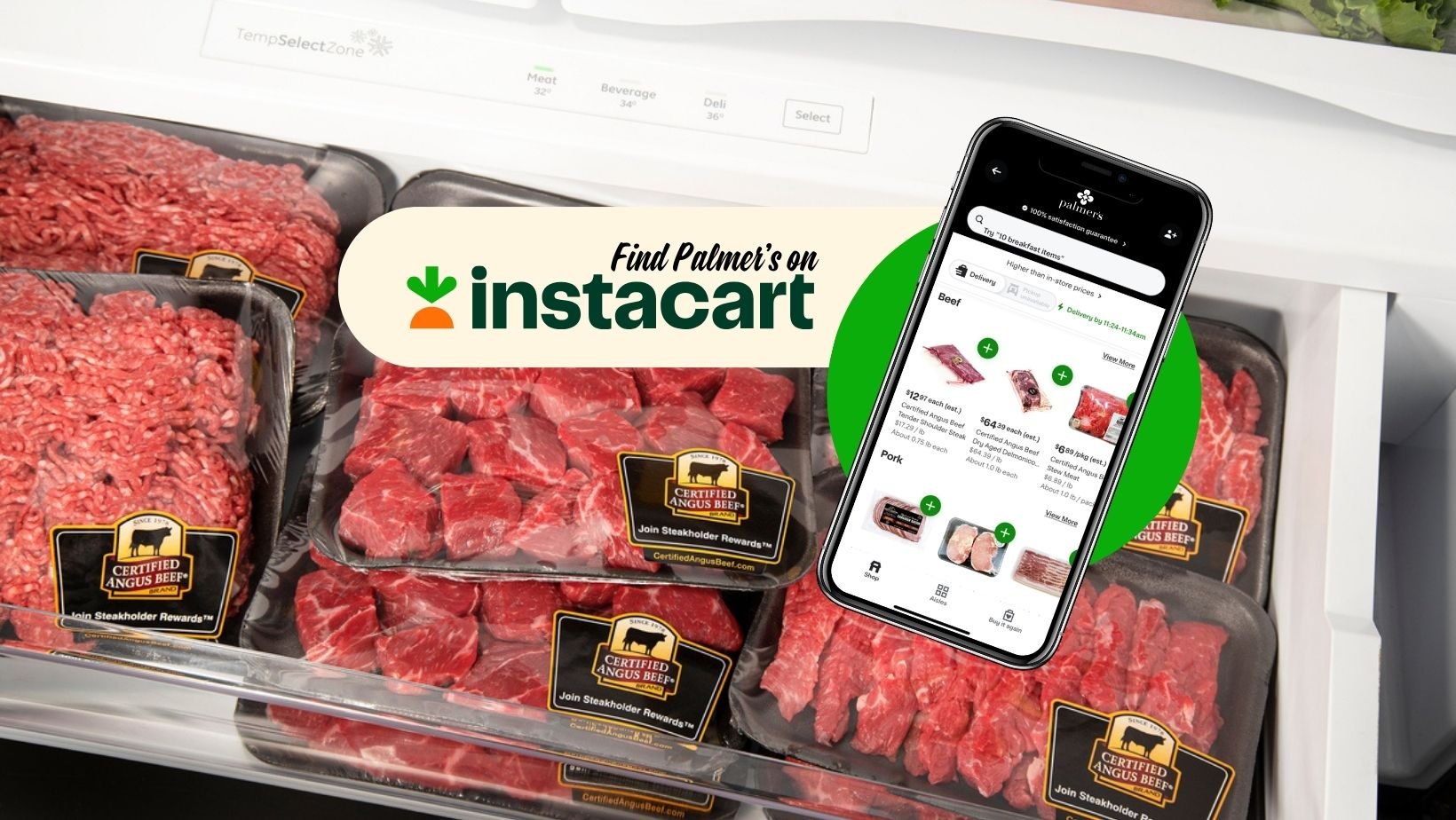
Service Launch Communication: E-Commerce Delivery
As Palmer’s retail team prepared for an upcoming store renovation, leadership introduced a new delivery program designed to maintain customer access during the transition. The operational service—built around a third-party delivery platform—needed to be translated quickly into clear messaging that customers and staff could understand and trust.
My role focused on converting this new operational model into a coordinated set of visual and communication tools. This included printed materials, social media graphics, email campaign assets, animated digital displays, and a product image library to support online ordering and promotion across channels.
A major component of the work involved building the product foundation for the platform. I captured more than 2,000 product images and wrote short informational descriptions for each item, ensuring product details were accurate, food-safe, and aligned with brand language. I also worked with the retail team to refine product naming conventions to improve clarity and consistency across internal systems and customer-facing listings.
This effort helped ensure that Palmer’s unique product offerings were represented clearly and accurately online, improving the reliability of order placement and fulfillment. More broadly, the project helped standardize internal product protocols and create a foundation for expanded digital services that would support operations during the renovation shutdown and continue to serve the business after the store’s relaunch.
Product Catalog & E-Commerce Foundation
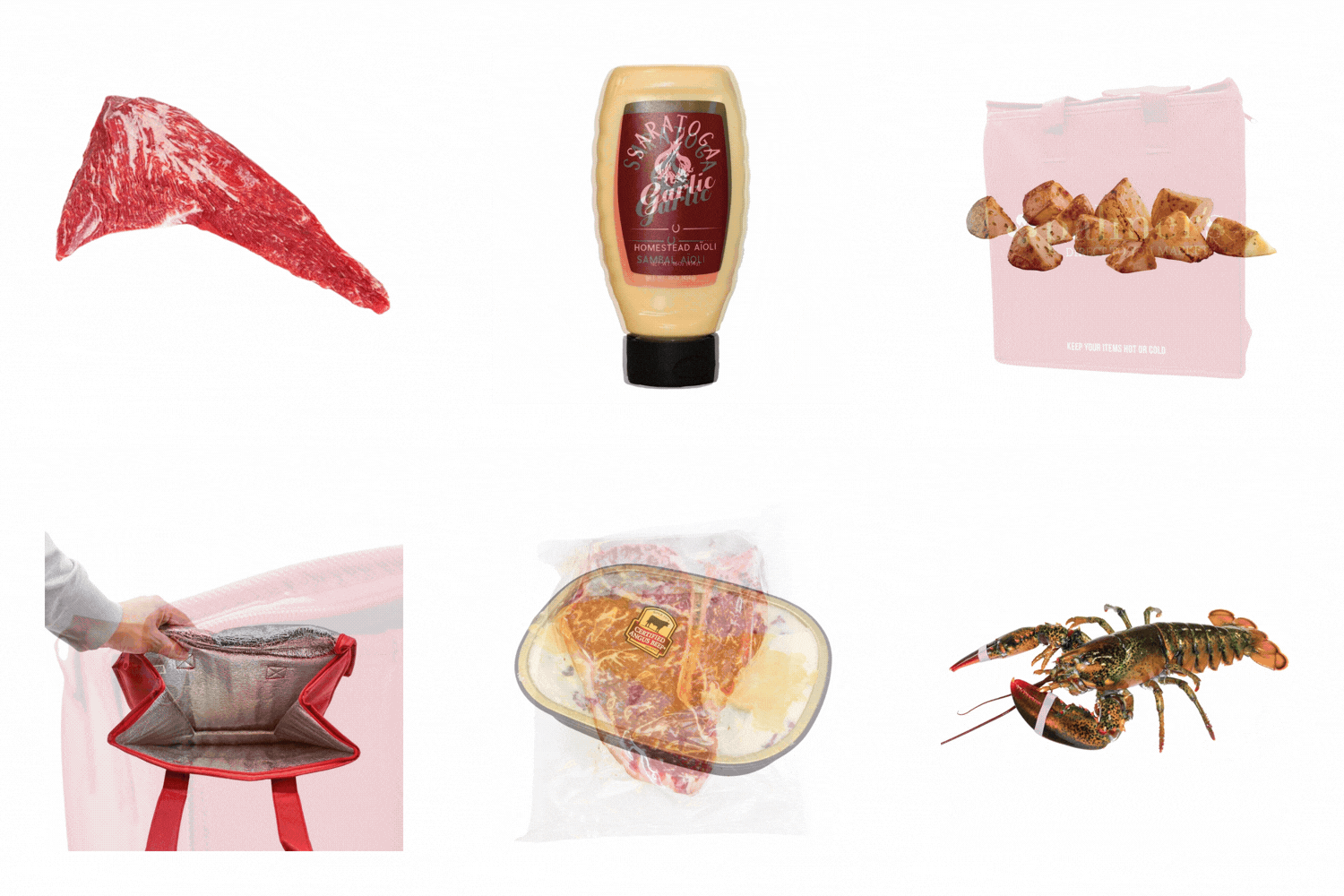
Item 1 - Examples of original imagery, and supplier sourced. And yes, that is a live firm shell lobster.
As Palmer’s expanded into e-commerce, the company needed a reliable visual system to represent its unique assortment of products online. Unlike many grocery retailers, Palmer’s carries a wide range of regional brands, in-store prepared items, and specialty packaged meats that often lack standardized imagery from suppliers.
To support the launch of the company’s digital ordering platforms, I developed a product image catalog of more than 2,000 photographs, documenting items exactly as customers encounter them in store. Each image was captured to communicate key details—appearance, packaging, brand information, and scale—while maintaining visual consistency across the platform.
Because Palmer’s brand is built on customer trust and product knowledge, many images also emphasize how items are used or prepared, extending the guidance customers typically receive from staff in the store. While many online grocery listings rely on a single manufacturer image, this expanded visual approach helps communicate the care, quality, and uniqueness of Palmer’s offerings.
Alongside the image work, I updated product descriptions and naming conventions within the company’s inventory system, helping clean up more than a decade of inconsistent database entries. This effort improved product clarity across internal systems while ensuring accurate information for customers ordering online.
Originally developed for the launch of the company’s third-party delivery platform, the catalog has since supported Palmer’s in-house curbside program and continues to power e-commerce features in weekly customer communications.
Service Launch Communication
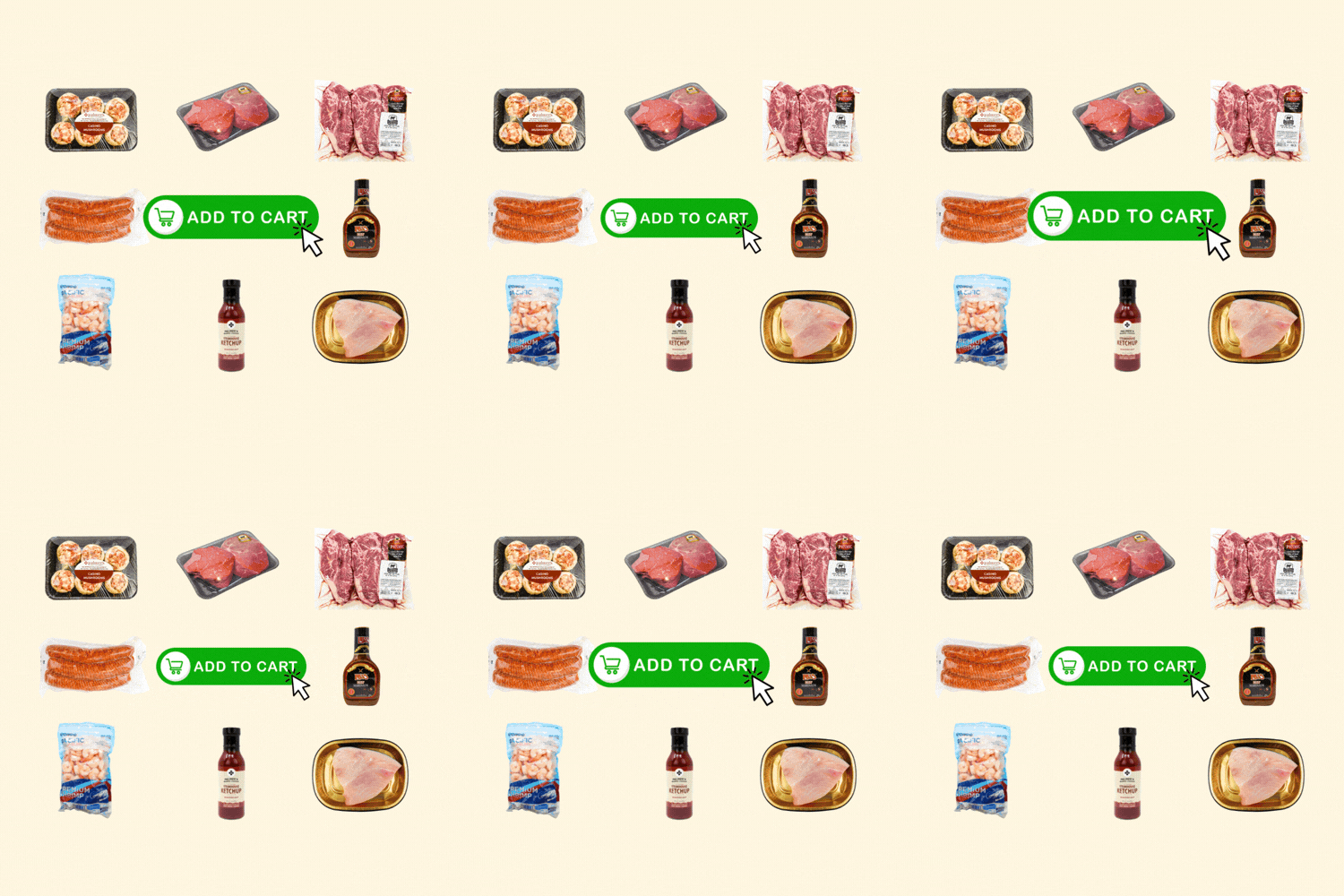
Item 2 - Gif based email header, previously image communication was through cooked/prepared product. This was the first look at simple packaging in communications.
With the product catalog established, the next step was introducing Palmer’s new digital ordering service to customers in a way that felt clear, trustworthy, and aligned with the retail brand.
Because the service represented a new operational model for the store, communication needed to focus on clarity and accessibility. Palmer’s customer base includes many long-time shoppers who value in-store service, so messaging was intentionally simple—raising awareness for customers already familiar with delivery platforms while avoiding unnecessary complexity for those who may not regularly use mobile apps.
Additional considerations included the inherent differences between in-store pricing and third-party platform pricing, which can reflect service fees beyond the retailer’s control. Communication focused on the convenience and access the service provided while maintaining transparency and trust with customers.
My role was to translate the service into a clear visual system that could be used across customer touchpoints. I developed a coordinated set of materials including printed handouts, seasonal social media graphics, animated email headers, Instagram stories, and in-store digital displays. While the campaign adapted visually to match seasonal retail promotions, the core structure and messaging remained consistent so customers could quickly recognize and understand the service.
The launch was entirely organic, relying on in-store communication and existing customer channels rather than paid advertising. Beyond introducing the delivery program, the project helped establish early e-commerce norms within the retail store as the company began developing its own digital ordering services and prepared for a major retail renovation and relaunch.
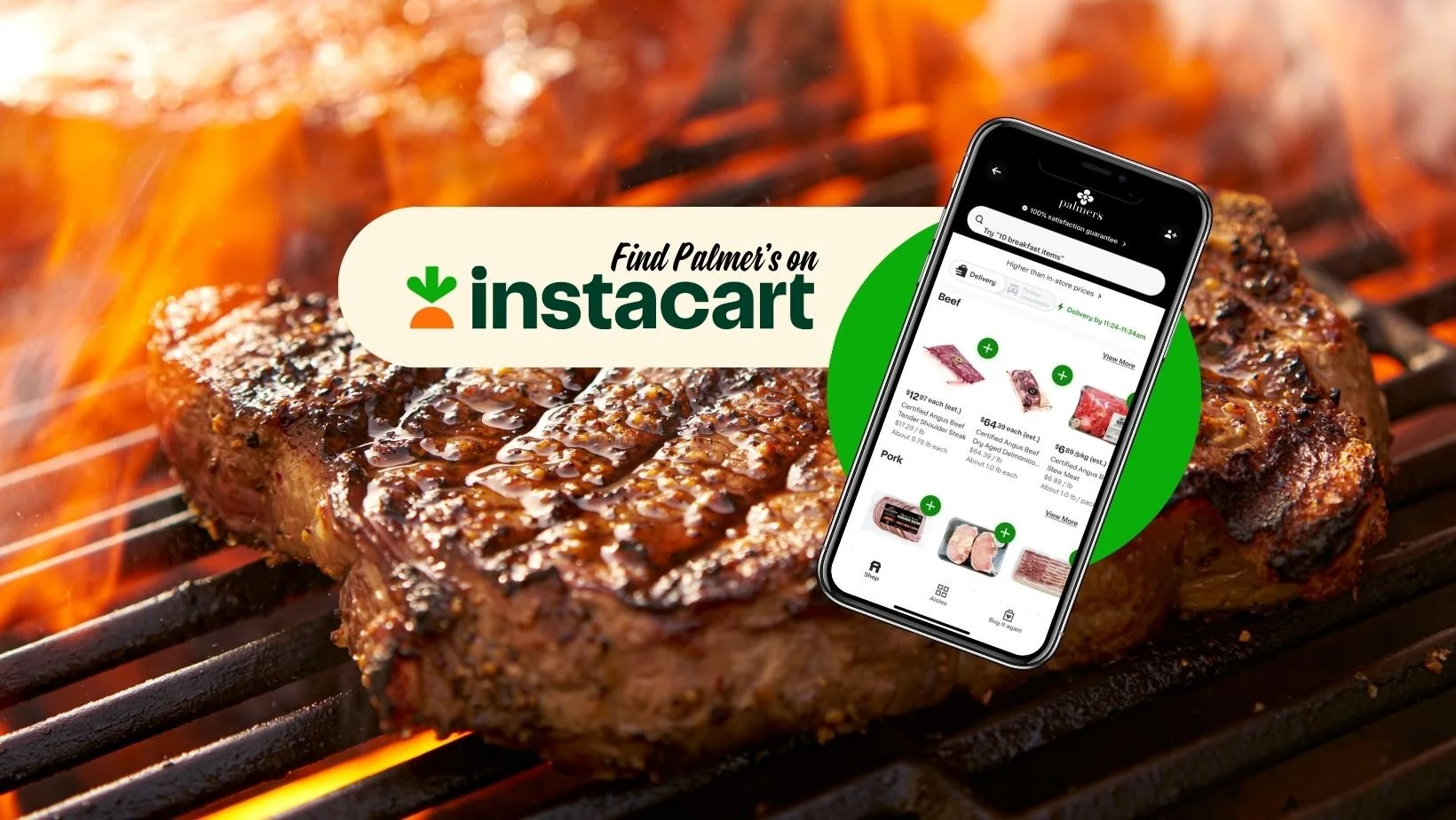
Item 3. Core product Certified Angus Beef featured during summer grilling season. Used as banner, social post, and short video for instore digital displays.
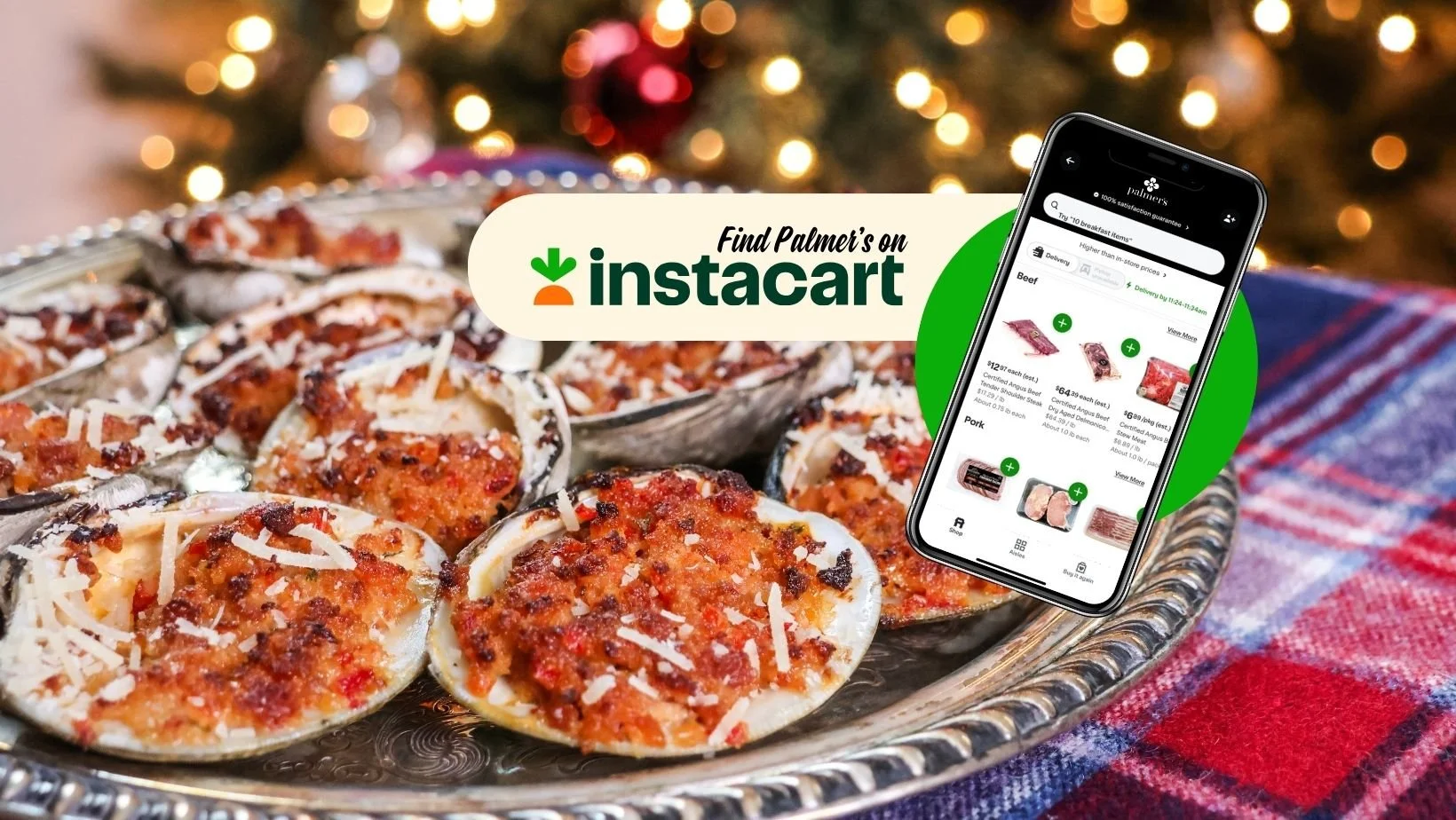
Item 4. Palmer produced regional favorite, Clams Casino featured during Christmas season. Used as banner, social post, and short video for instore digital displays.
Item 5. A newly introduced digital display system allowed Palmer’s to expand the use of in-store screens for customer communication. Service awareness graphics were developed to introduce the e-commerce program while aligning with seasonal retail themes. The designs remained visually simple and consistent, ensuring customers could quickly recognize and understand the service as part of the broader in-store experience.
Item 6. Simple animated graphics were developed to extend service awareness onto social media platforms. Designed in a vertical “story” format, the animations transitioned easily between in-store messaging and social media reminders, reinforcing the availability of the service through quick, recognizable visual cues.
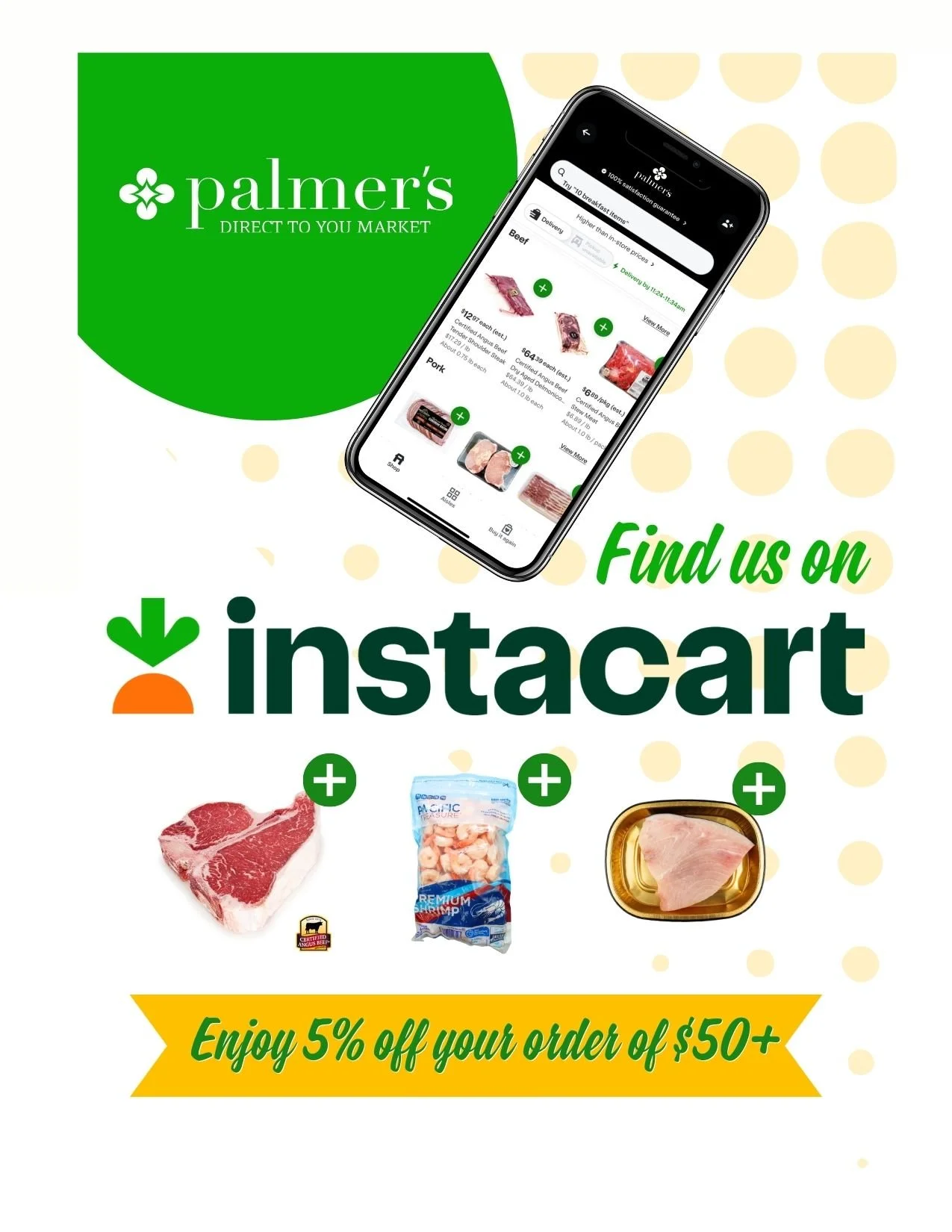
Item 7. Bag-stuffers ranged from highly detail to simple printed reminders
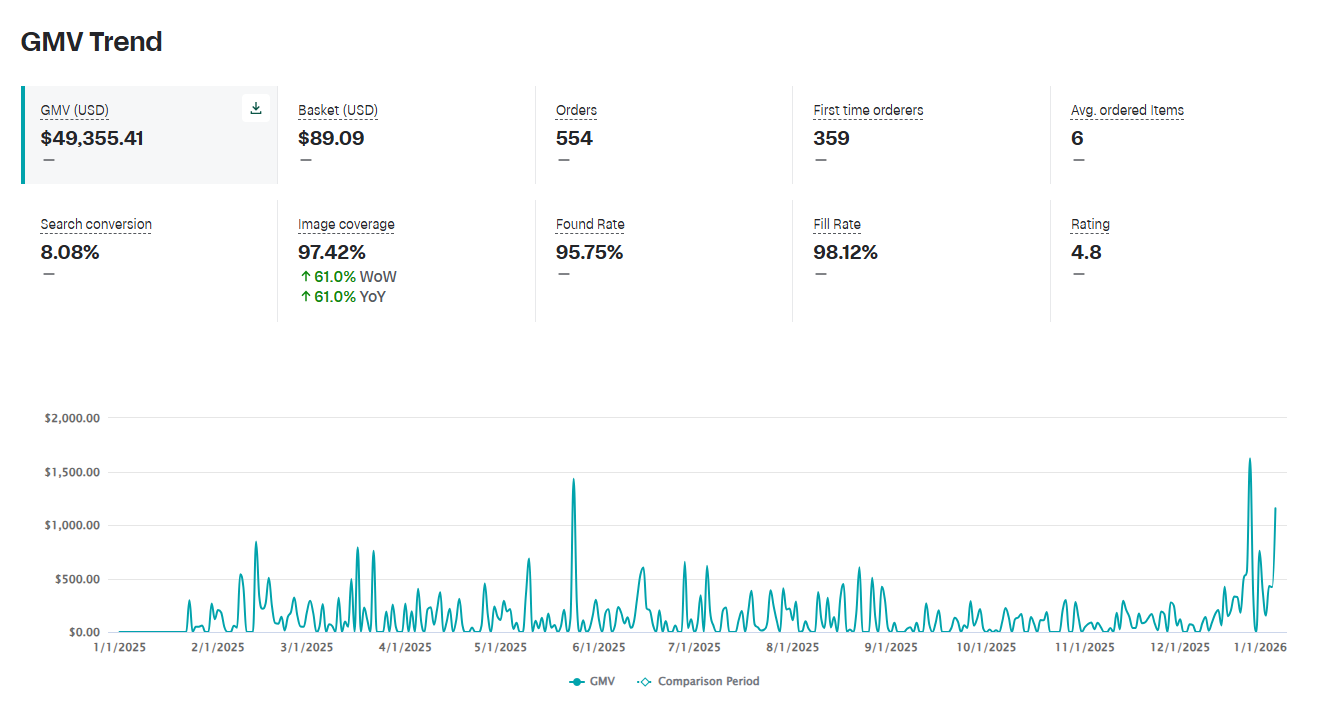
Item 8. Despite limited access to Instacart’s full service features, the program generated nearly $50,000 in additional revenue, introducing a significant number of new customers to Palmer’s retail offering.
Impact
This initiative marked Palmer’s first entry into e-commerce in the company’s 175-year history. In its first year, the service generated nearly $50,000 in additional sales alongside regular store operations while establishing internal systems for product imagery, catalog standards, and customer communication.
The value of that foundation became even more apparent during the recent retail renovation. With in-store shopping temporarily closed, e-commerce helped maintain continuity for customers and the retail team. Over the Valentine’s Day weekend alone, the platform generated more than $20,000 in sales, helping soften the impact of the closure while continuing to serve the store’s core customer base.
Beyond revenue, the project created the operational and communication framework that now supports expanded digital services and the broader relaunch of the retail brand.